So I got a gift for Christmas and I have now tried it out a few times. My research have since found there are other brands on the market each claiming could reduces carbohydrates to a certain percentage. This one said 25% reduction.
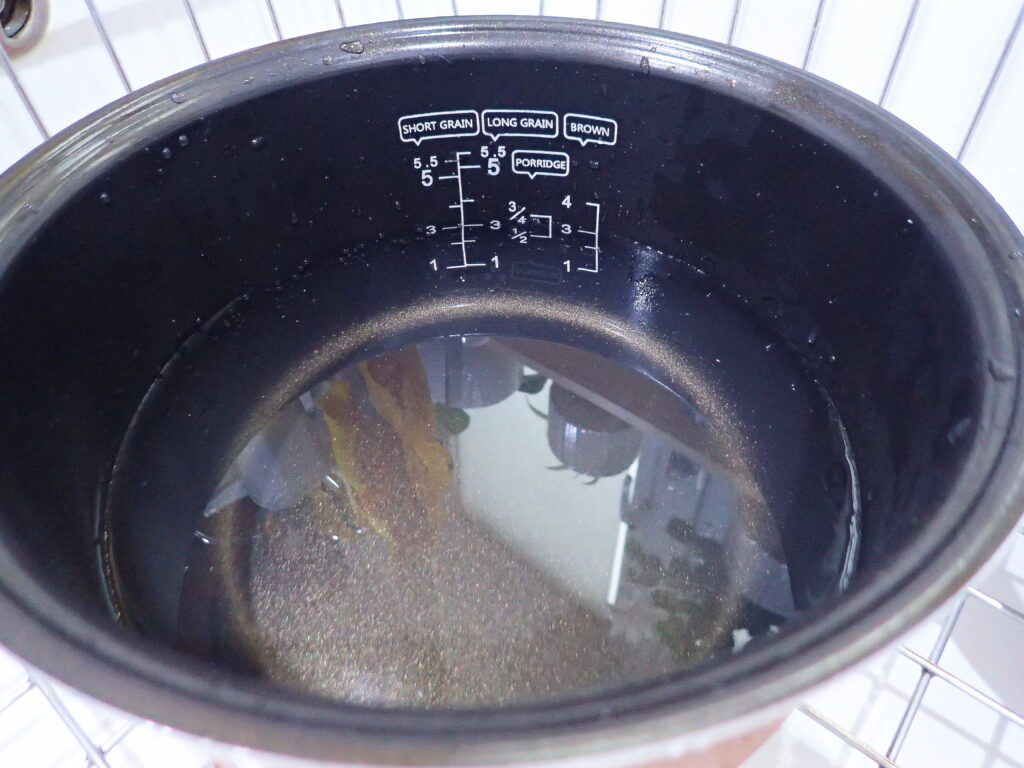
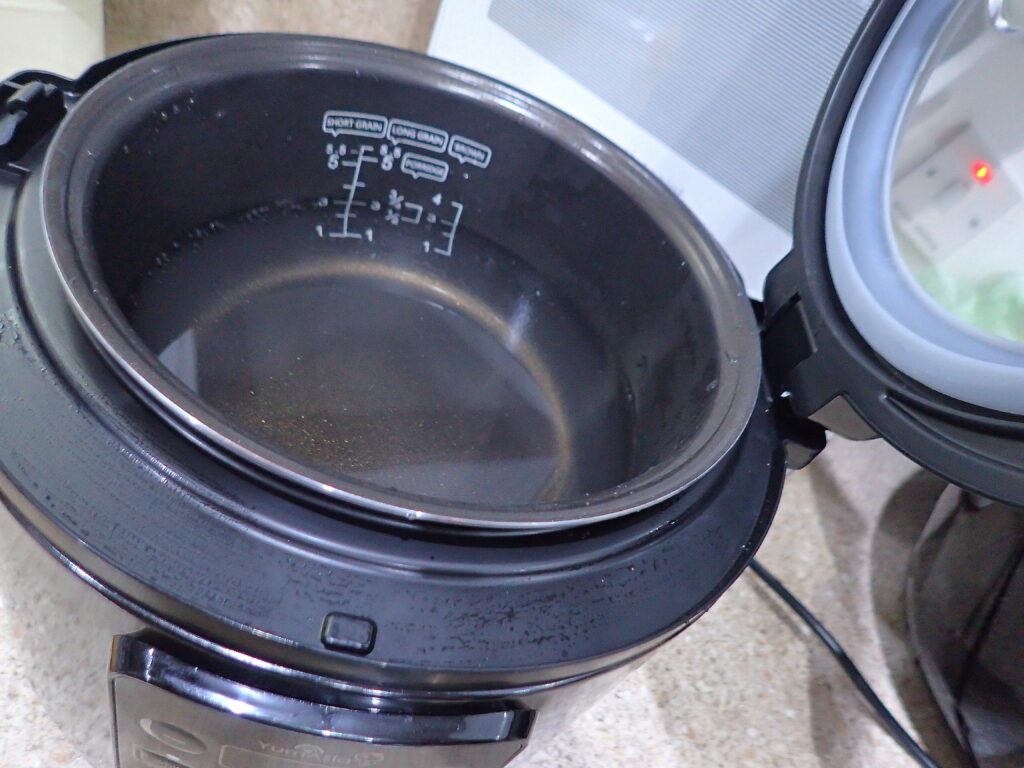
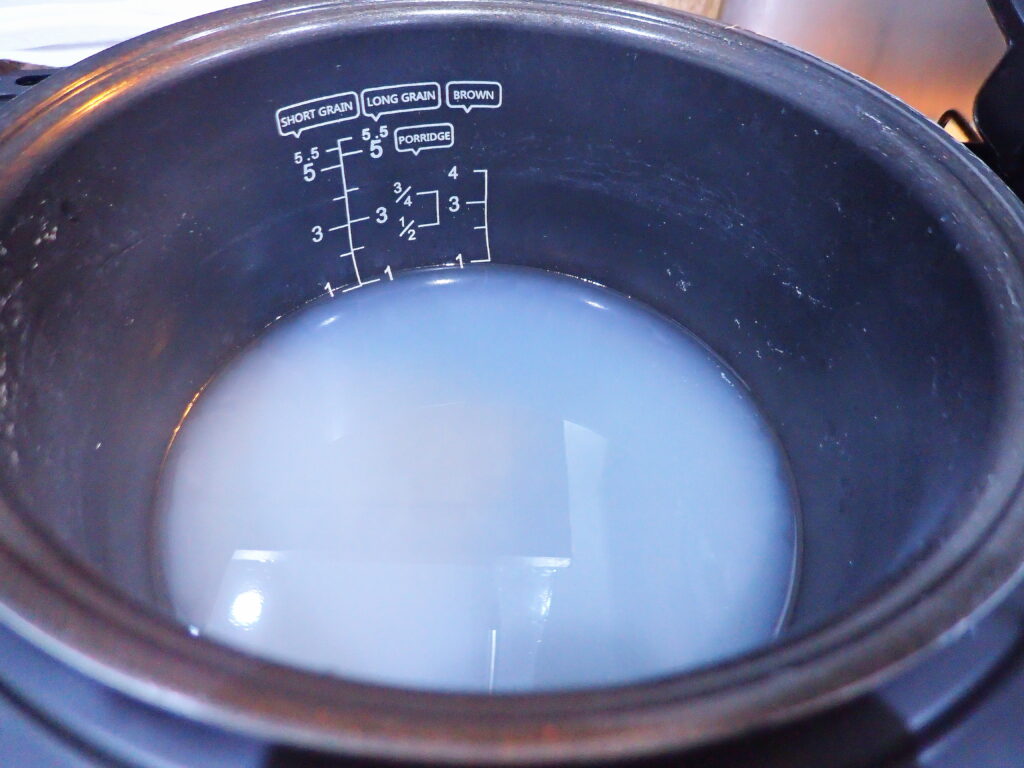
Now I don’t have anyway of know how to measure the % but I can see the starch water that is left behind, which otherwise would have been in the rice I eat. In my opinion is thus – Every little helps even though I eat rice like twice a week. This is not due to diet but more due to the fact I control my diabetes by controlling the food I eat. At this precise moment I like to believe/think this is a really good way of boiling rice with less starch so less carbohydrates and better for me. This is based on judging the cloudy starchy water left behind after cooking. I washed and rinsed the rice 3 to 4 times before putting in the stainless steel pot to ‘steam’ Maybe and just maybe I allow myself to have three times of rice a week! I mean after boiling like this, freeze and defrost would be at least 50% less carbo right? (Wish/Hope)
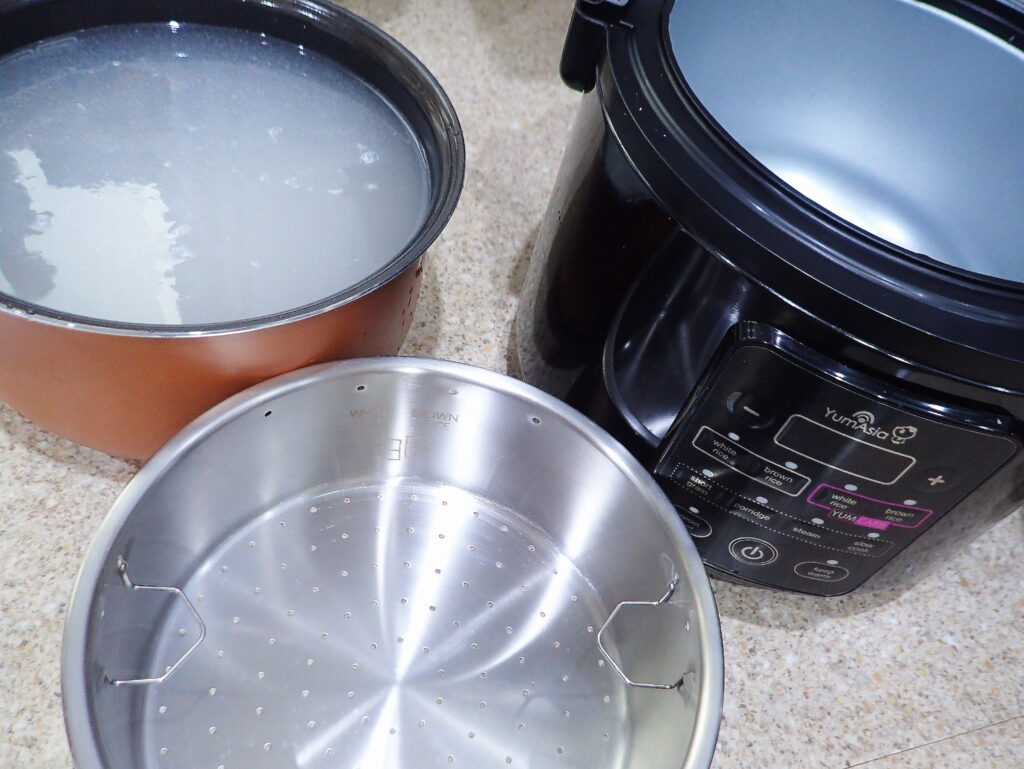
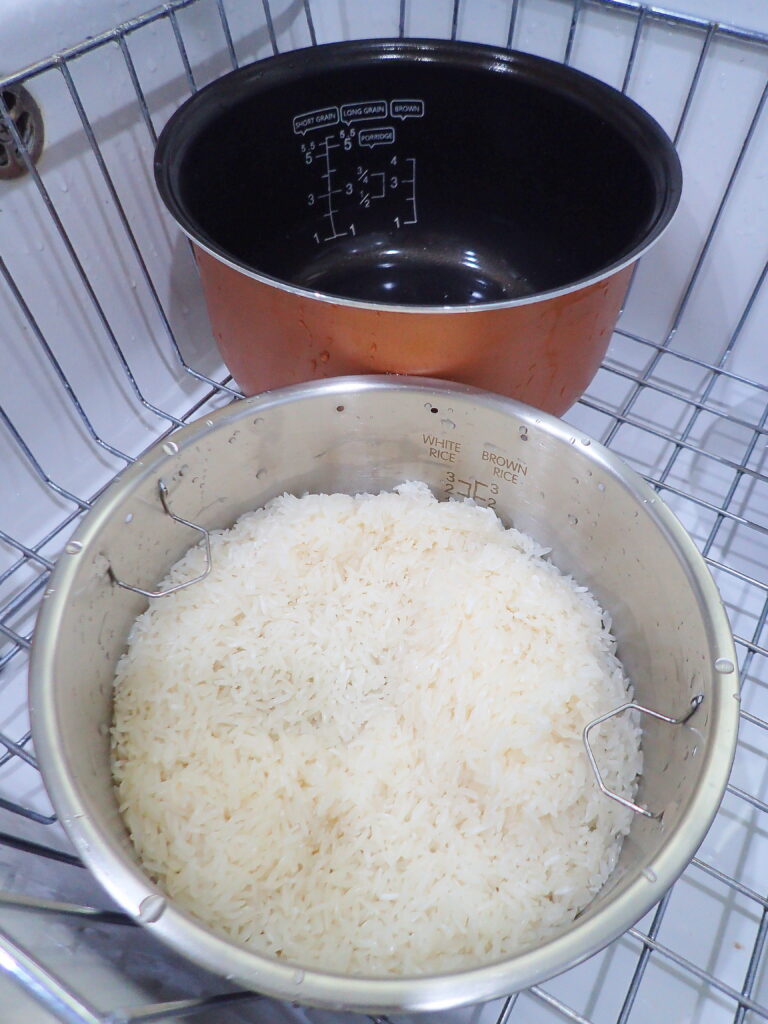
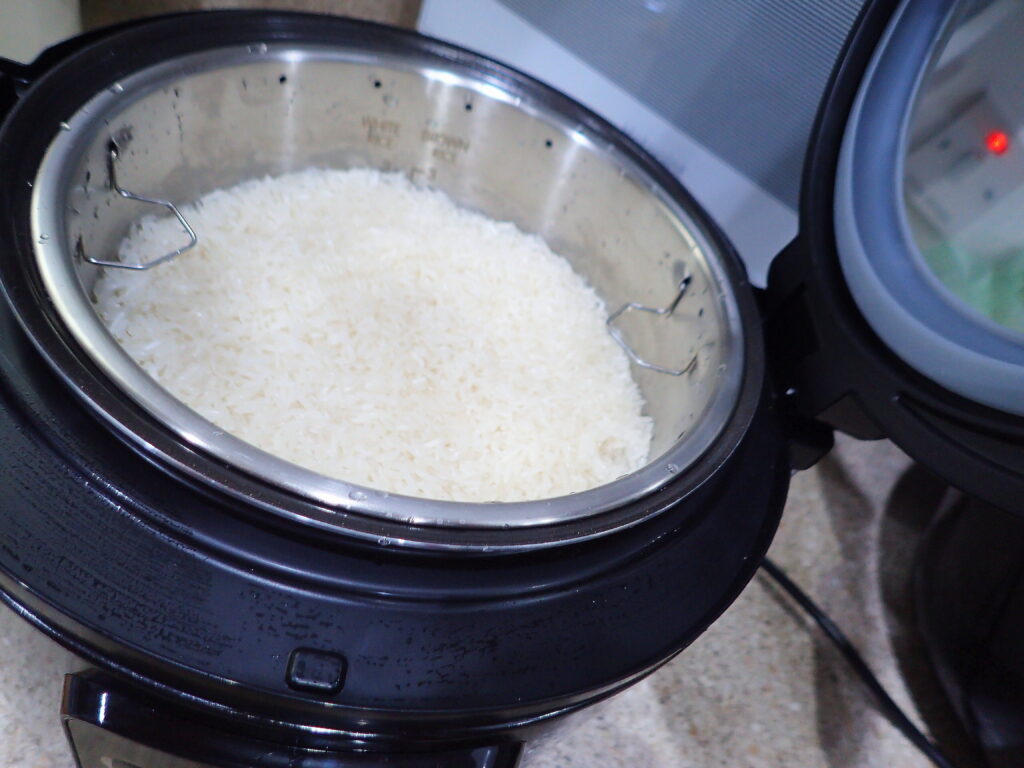
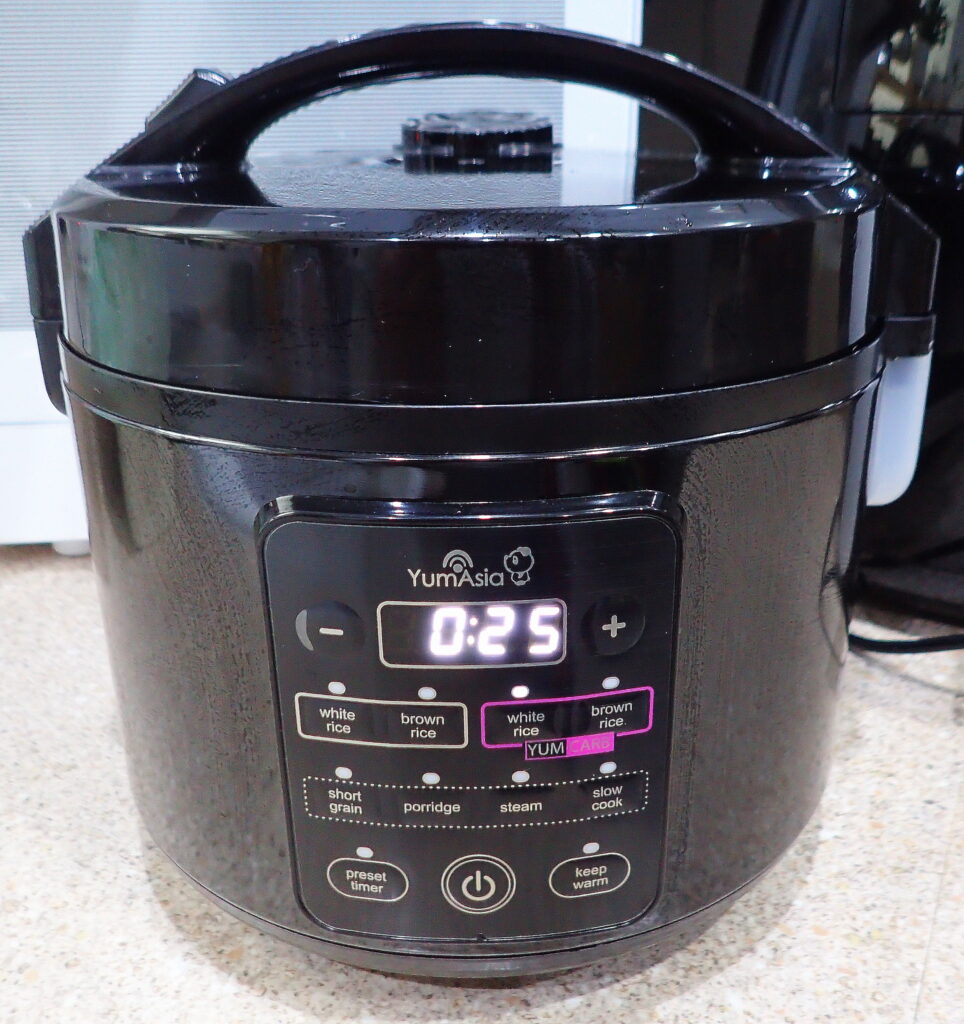
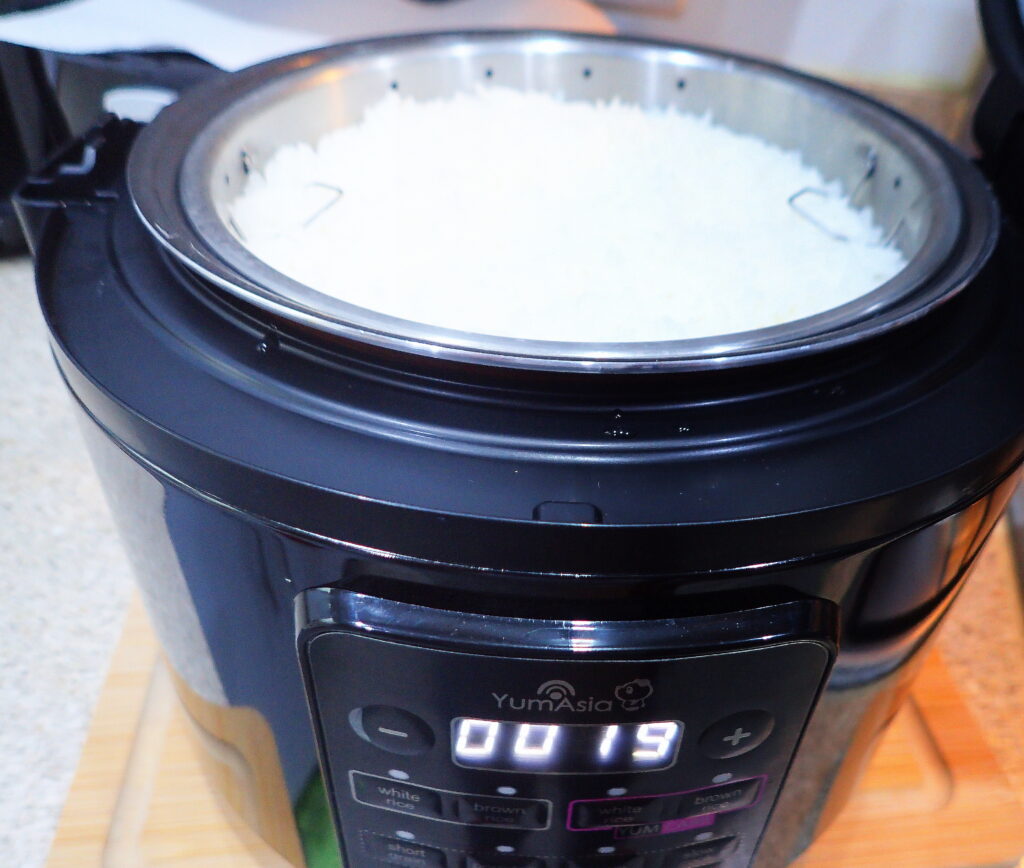
“Scientifically, (we already know this) washing rice 2-4 times prior to cooking helps in removing the starch. Cooking in loads of water (par boiling) to remove starch from rice is one method hence some people prefer the par-boil and steam method – you boil the rice to allow the starch to “drain/seep” from the rice into the cooking water, remove rice from the starchy water, then steam. Does your new cooker allow a boil and steam method? If yes, starch is reduced. How much? Ah you need a measuring tool for that (or litmus paper + chemical method?). Adding a little oil/fat in the cooking reduces absorption of starch by the body. Agree, cooling and re-heating is one way as it changes the “structure” of the starch to make it less absorbent by the body. Types of rice helps like the less starchy Basmati (80%) versus Thai Jasmine (85%) versus Long Grain (90-93%)
This was a really informative post! I like how you shared your personal experience and explained the process step by step. Seeing the cloudy starch water left behind definitely makes the method seem promising, and it’s great that the rice still turns out fluffy and delicious.